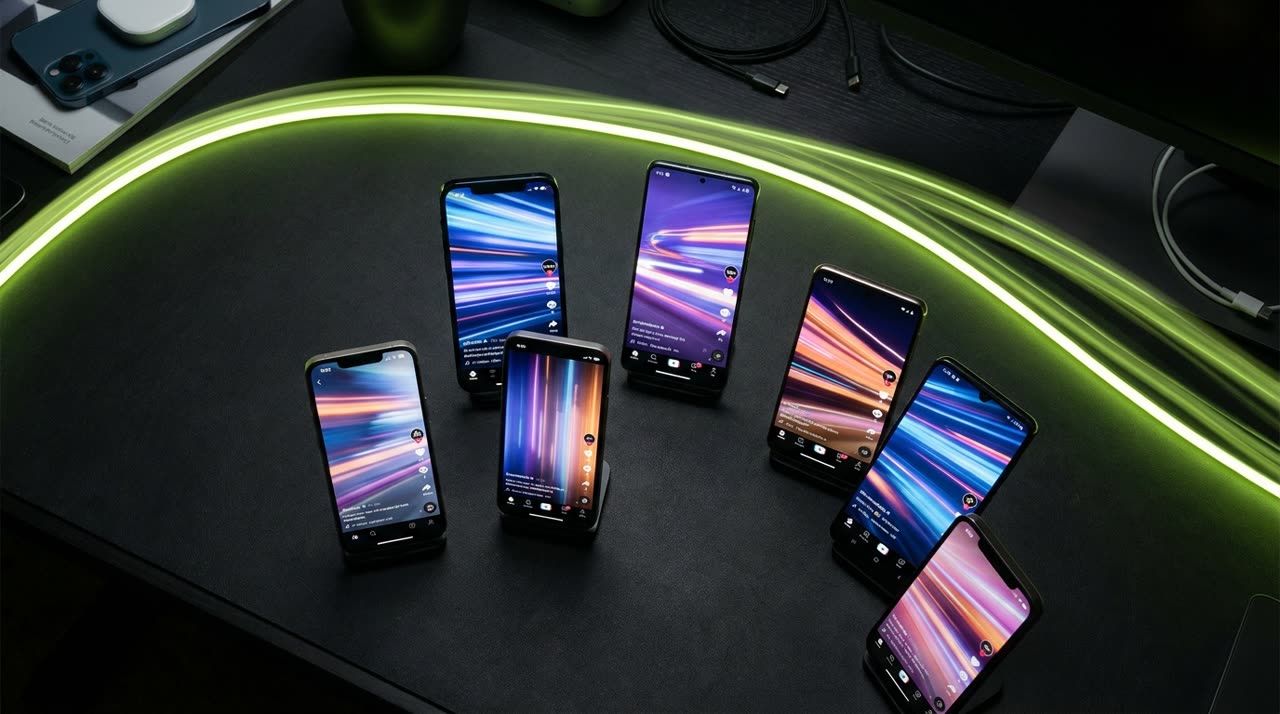

Scroll any winning ad account on TikTok or Meta and you will notice something strange: the best-performing creatives look the cheapest. Handheld framing, casual lighting, a person talking to their phone. This is UGC-style advertising — and it is not winning despite looking unpolished. It is winning because of it.
This article breaks down why UGC converts, what separates a high-performing UGC ad from a lazy one, and how AI generation has removed the hardest part: finding, briefing and paying creators.
The psychology: ads that do not look like ads
Every platform user has developed advertising blindness — a reflex that detects studio lighting, brand fonts and jingle energy within milliseconds, and skips. UGC slips under that reflex because it pattern-matches to content, not commerce: it looks like the videos from friends and creators the viewer chose to follow.
The numbers back the psychology. Across independent studies, UGC-style creative earns roughly four times the click-through rate of brand-produced creative on the same audiences, and viewers report trusting peer-style recommendations at rates paid brand messaging never reaches. The mechanism is simple: we discount what a brand says about itself and weight what a person like us appears to say about it.
Anatomy of a UGC ad that converts
High-performing UGC follows a tight structure, even when it looks improvised.
- The native hook (0–3s): a person, mid-thought, saying something specific — "I was today years old when I found out…" — not a brand slate.
- The problem, felt not stated (3–8s): the creator demonstrates the frustration rather than describing it.
- The product as discovery (8–15s): introduced as something found, not sold — held up to the camera, label visible, used on the spot.
- Proof in the frame (15–22s): the result shown, a before-and-after, a texture, a reaction shot.
- A low-pressure CTA (final seconds): "link is in the bio", "it’s on their site" — peer language, never "BUY NOW".
Why the traditional UGC pipeline breaks
The classic route — find creators, negotiate rates, ship product, wait two weeks, receive one usable video out of four — costs between $150 and $500 per finished creative and, worse, costs weeks. Since UGC performance decays fast (audiences tire of a creative in days), the pipeline that produces one video a fortnight cannot feed an account that needs three fresh creatives a week.
This is not the creators’ fault; it is a throughput mismatch. Paid social is an iteration game, and human production pipelines were never built for iteration at ad-account speed.
How AI closes the gap
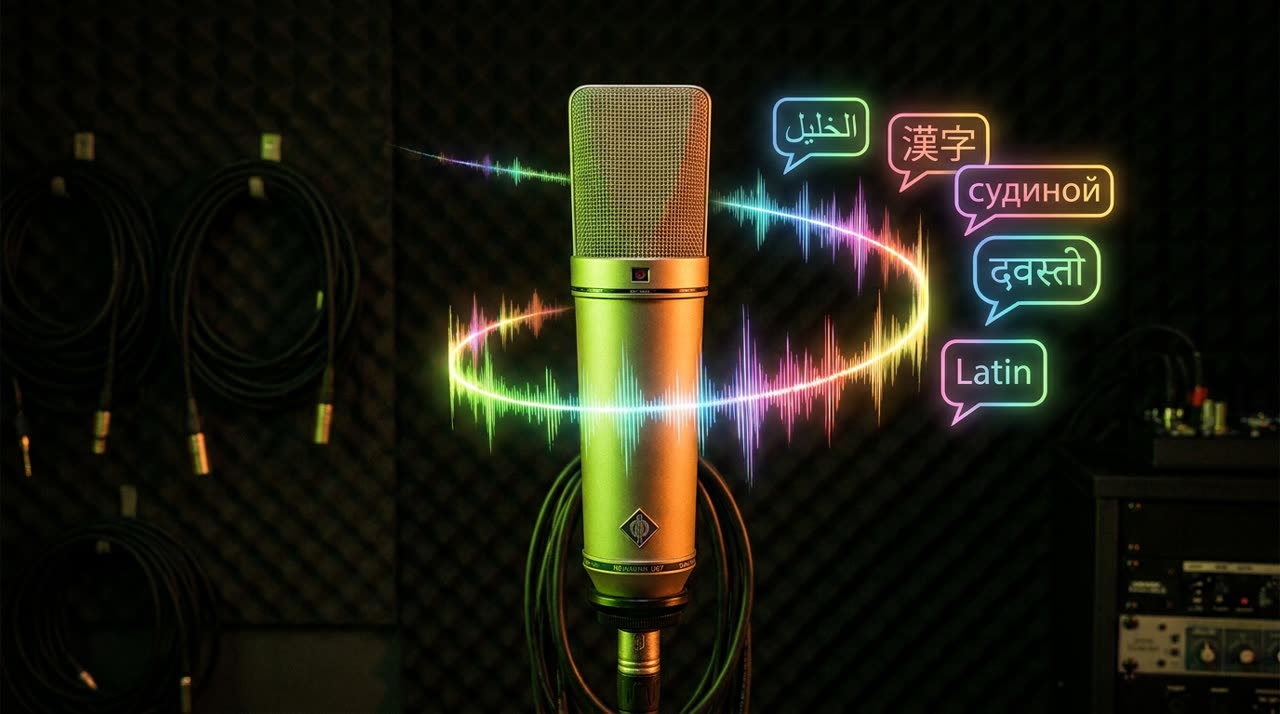
AI video generation now produces UGC-style creative end to end: a realistic presenter (or your own photo made to speak), casual handheld-style framing, natural voiceover with real emotional delivery, and your actual product rendered from photos. On ShortAd AI the workflow is: pick UGC style, attach product photos, let the Script Generator write the creator-style script — it deliberately writes spoken, imperfect, first-person lines — choose a presenter and voice, and render.
The economics invert completely. A creative that cost $300 and two weeks now costs under a dollar and three minutes. That does not just save budget — it changes strategy: you can test five hooks against each other on day one, kill four, and scale the winner, which is how the best-performing ad accounts actually operate.
Keeping AI UGC honest
Two rules keep AI-generated UGC effective and clean. First, keep the claims true: AI removes production friction, not advertising law. Second, resist the urge to polish. If your AI UGC ad starts looking like a commercial — perfect lighting, graded color, logo intro — you have rebuilt the exact thing viewers skip. The unpolish is the strategy.
UGC wins because it borrows the trust of peer content. AI wins because it makes UGC iterable — five creatives a week instead of one a fortnight. Together they are the highest-leverage combination in paid social right now.